Machine Maintenance
Keeping Design & Technology workshop machinery safe, reliable and ready for teaching.
Is Your Workshop Being Properly Maintained?
In many schools, workshop maintenance happens on an informal basis. Machines may only be checked when a problem becomes obvious, or when a member of staff raises a concern. However, good practice recommends that machinery is inspected regularly and maintained according to a planned schedule.
Regular maintenance checks can identify issues such as worn belts, loose guards, damaged tooling, or ineffective extraction systems before they affect teaching or safety.
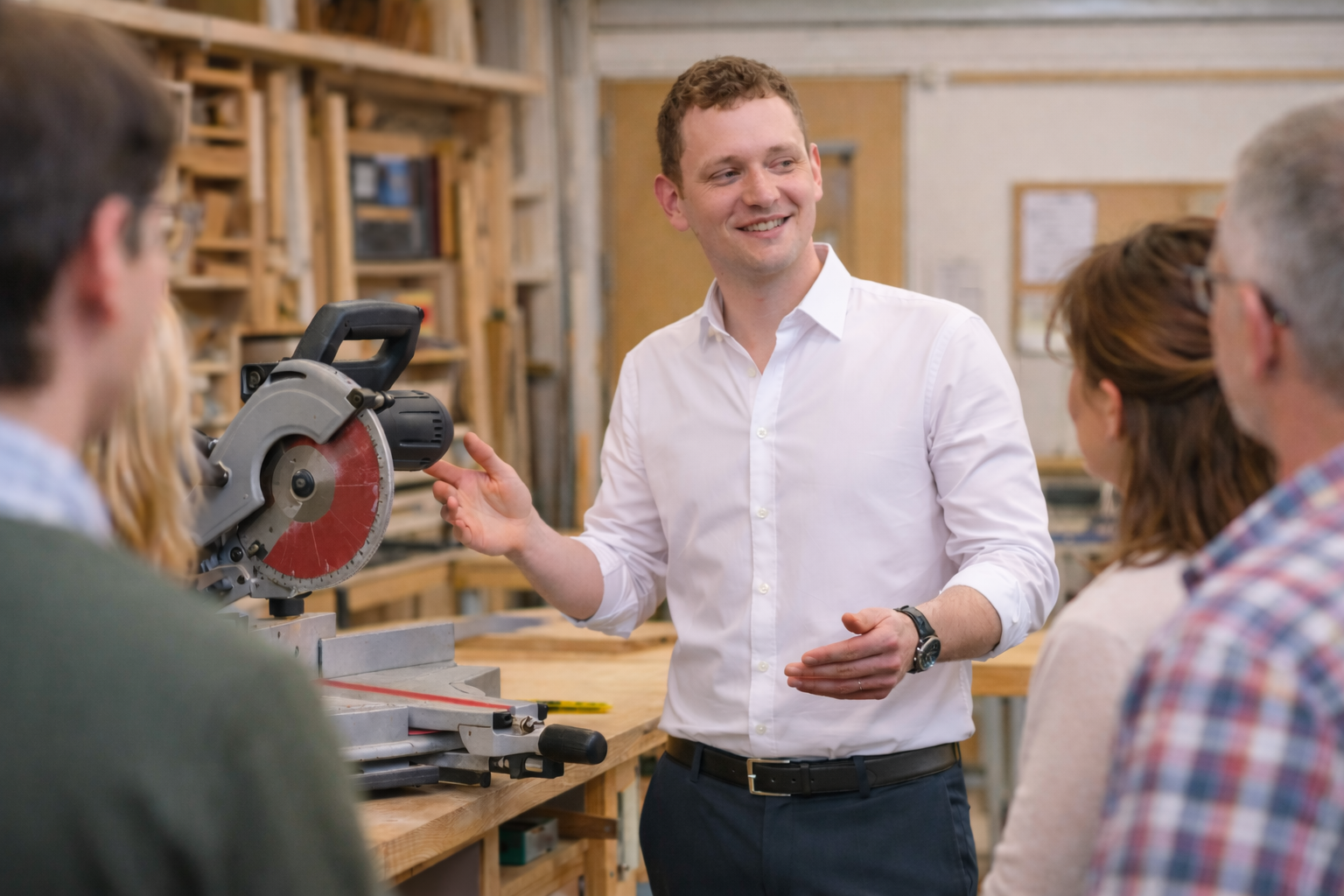
I can also work with technicians to train them up on how to keep your workshops maintained.
What Does Workshop Maintenance Involve?
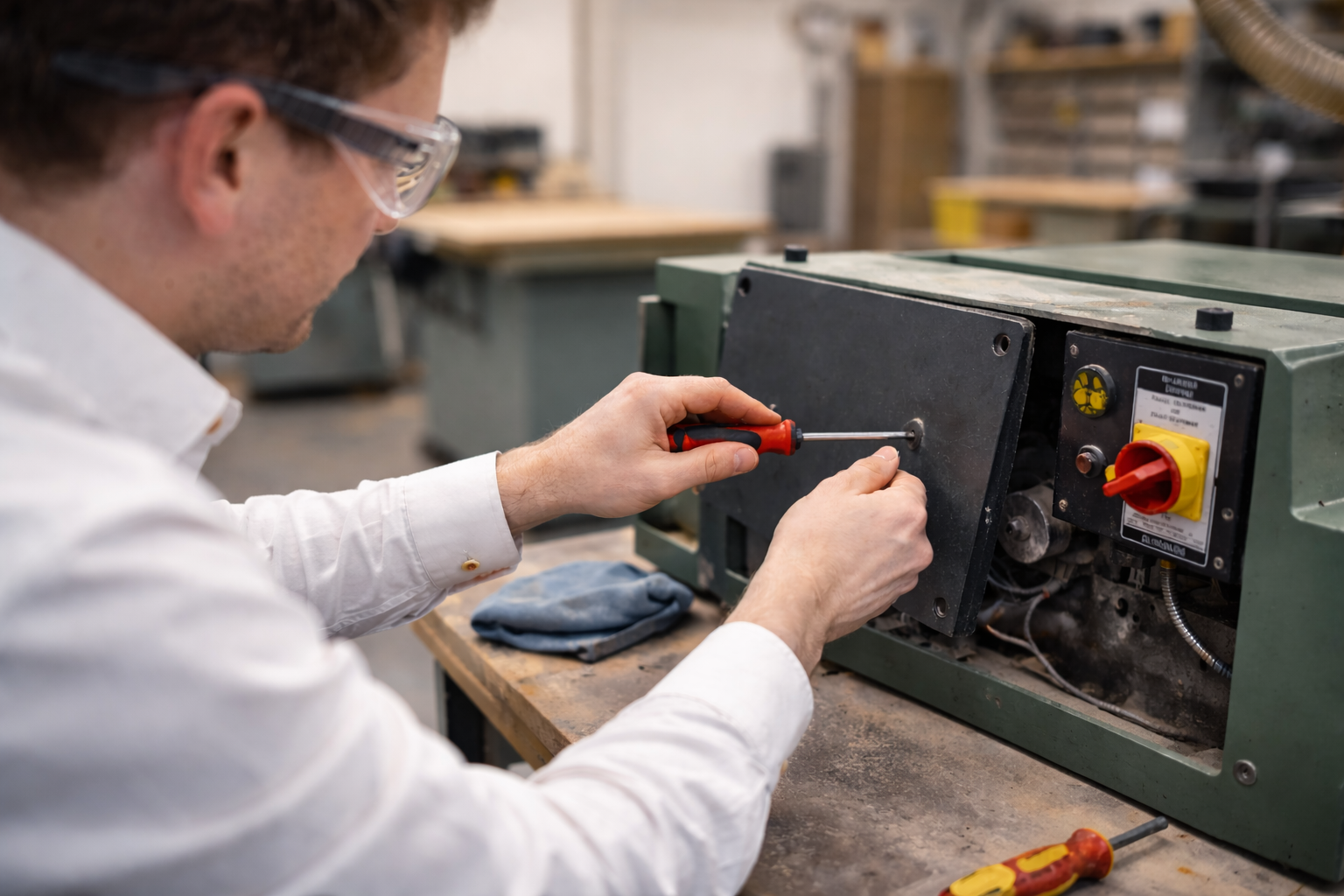
Design and Technology workshops contain a wide range of machinery that must operate safely and reliably. Over time, blades become dull, belts loosen, guards move out of alignment and safety systems may become ineffective. Without regular inspection and maintenance, equipment can gradually become unsafe to use.
Routine maintenance helps ensure machines continue to operate as intended, reducing the risk of accidents and preventing small issues from becoming more serious problems.
Maintenance in a school workshop does not usually involve major mechanical repairs. Instead, it focuses on ensuring that machines are safe, correctly set up and suitable for use by pupils.
Typical maintenance tasks include:
checking guards and safety mechanisms
adjusting fences and alignment
replacing worn blades or cutting tools
checking belts and moving parts
inspecting emergency stops and safety switches
ensuring extraction and dust control systems are functioning correctly
These small adjustments can significantly improve both safety and the quality of work produced by pupils.
BS4163 highlights the importance of ensuring that workshop machinery is maintained in safe working order. Schools must be able to demonstrate that equipment used by pupils is safe and suitable for use.
Regular maintenance not only helps meet these expectations but also supports staff confidence when supervising practical work.
When Should Maintenance Be Carried Out?
The most effective time to carry out maintenance is often during school holidays, when machines can be inspected and adjusted without disrupting teaching. This also allows departments to address any issues before the start of a new term.
Planned maintenance alongside safety audits helps ensure that workshops remain safe, organised and ready for teaching throughout the year.
As part of the D&T Safety Partnership, workshop maintenance can be carried out alongside annual safety audits and staff training. This allows departments to address equipment issues while also developing safe working practices among staff.
By combining maintenance, training and safety review, schools can ensure their workshop environment remains safe, compliant and ready for practical teaching.
The Hidden Cost Of Not Acting…
Design and Technology workshop machines are designed to last for many years, but only when they are properly maintained. Simple issues such as worn belts, blunt blades, misaligned fences or poorly adjusted guards can place additional strain on machinery and significantly shorten their working life.
In many cases, small maintenance issues left unresolved can lead to more serious faults. What might initially require a simple adjustment or inexpensive replacement part can eventually result in major repairs or even the need to replace the machine entirely.
The cost of preventative maintenance is usually modest when compared to the cost of replacing workshop equipment. Many machines used in school workshops – such as band saws, pillar drills, lathes and extraction systems – can cost thousands of pounds to replace. Regular inspection and maintenance helps ensure that these machines continue to operate safely and reliably for many years.
For schools, preventative maintenance is therefore not only a health and safety responsibility, but also a sensible investment in protecting expensive equipment and avoiding unexpected costs.
When combined with staff training and workshop safety audits, regular maintenance helps ensure that the department remains safe, compliant and able to deliver practical teaching without disruption.
Get In Touch